2025년 1월 15일
코코넛 숯 vs 하드우드 숯
Compare coconut shell and hardwood charcoal by heat output, ash, burning time, flavor, consistency and the best applications for each type.
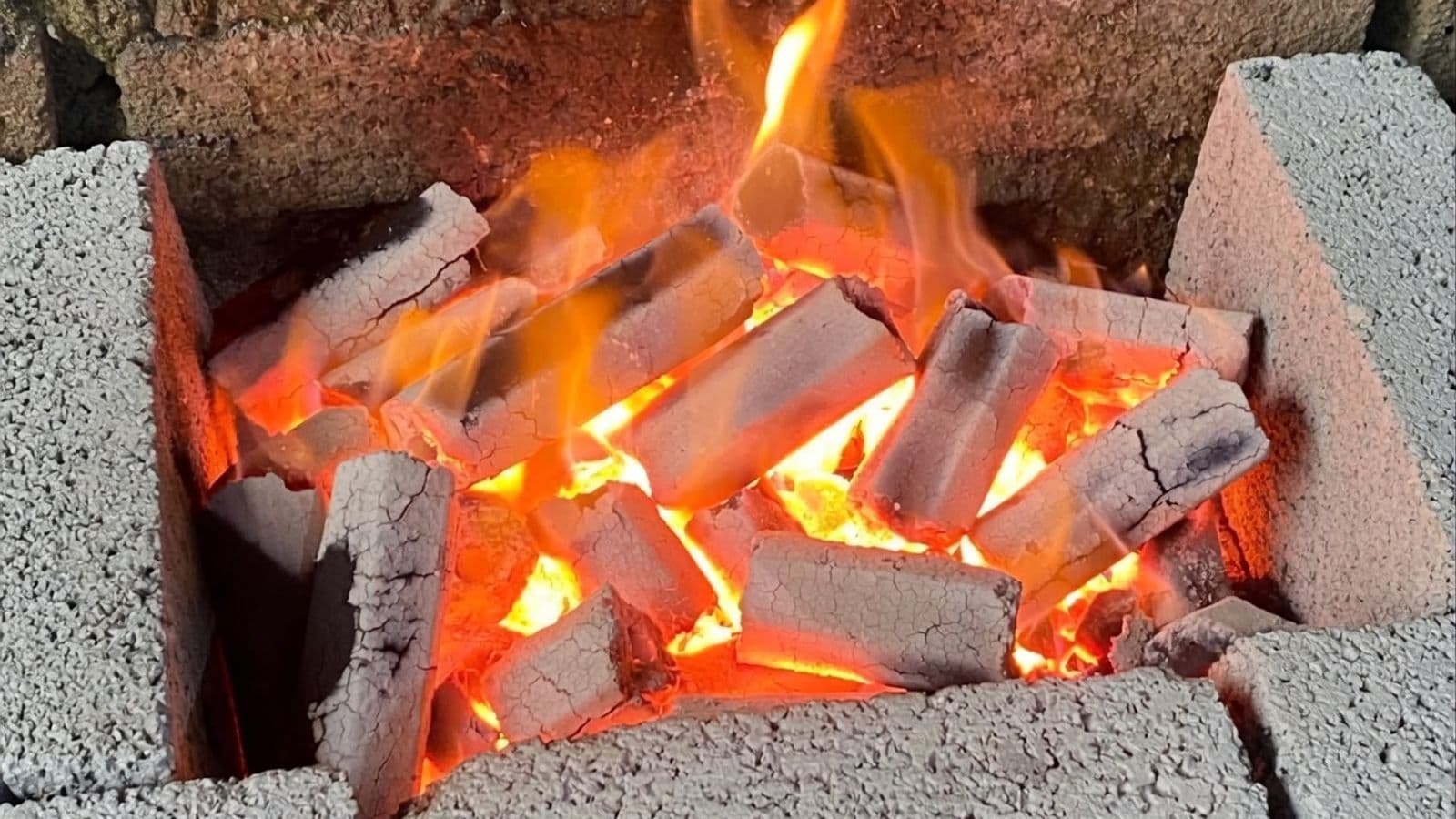
Coconut Shell Charcoal vs Hardwood Charcoal: Which Should You Choose?
Choosing the right charcoal affects cooking temperature, burning time, flavor, ash, operating cost and consistency. Coconut shell charcoal and hardwood charcoal can both perform well, but they are designed for different applications.
There is no single option that is best for every buyer. The right choice depends on your grill type, target market, packaging format and required cooking performance.
What Is Coconut Shell Charcoal?
Coconut shell charcoal is produced by carbonizing dried coconut shells. It can be supplied as natural lump charcoal or processed into uniform briquettes such as cubes, pillows and hexagonal pieces.
Because compressed briquettes have a consistent size and density, they generally provide predictable heat and burning performance. Premium coconut shell charcoal is commonly selected for low ash, stable heat and a relatively neutral aroma after complete ignition.
Main advantages include:
• Consistent shape and heat output
• Long and predictable burning performance
• Low ash in premium grades
• Neutral aroma after full ignition
• Efficient packing and portion control
• Suitable for OEM and private-label products
• Produced from coconut shells that would otherwise be an agricultural by-product
Coconut briquettes can take longer to ignite than conventional lump charcoal. Their performance also depends on carbonization quality, binder content, compression and moisture control.
What Is Hardwood Charcoal?
Hardwood charcoal is produced by carbonizing dense wood. It is normally supplied as irregular lump charcoal, although some hardwood charcoal is also processed into briquettes.
Traditional hardwood lump charcoal lights relatively quickly and can produce strong initial heat. Many chefs select it for open-fire cooking because the wood source can contribute a recognizable grilling aroma.
Main advantages include:
• Relatively fast ignition
• Strong initial cooking heat
• Natural wood-fired grilling character
• Suitable for open grills and high-temperature searing
• Available in different wood species and size grades
Because hardwood lump charcoal has an irregular shape, heat output and burning time may vary between pieces and production batches. Buyers should also verify the wood species, source, moisture, fixed carbon and size distribution.
White charcoal, also known as Binchotan-style charcoal, is a special type of high-density hardwood charcoal. It is harder to ignite than regular lump charcoal but can provide stable heat and extended burning performance for yakitori, yakiniku and professional restaurant grilling.
Heat and Burning Performance
Both charcoal types can produce high cooking temperatures.
Compressed coconut briquettes normally deliver steady and predictable heat because each piece has a similar size and density. This makes them suitable for tabletop grills, restaurant operations and products where repeatable performance is important.
Hardwood lump charcoal can heat up more quickly and produce intense initial heat. However, its irregular pieces may burn at different rates. High-density white charcoal is an exception and is designed for slower, more controlled burning.
Ash and Cleaning
Premium coconut shell charcoal can produce relatively low ash when the raw material and production process are properly controlled. Low ash reduces grill cleaning and is an important selling point for restaurants and retail charcoal brands.
Ash content in hardwood charcoal varies according to the wood species, soil, bark content and carbonization process. Buyers should compare actual laboratory results rather than relying only on general product descriptions.
Flavor and Aroma
Coconut shell charcoal is generally selected when buyers want stable heat with minimal influence on the natural flavor of food.
Hardwood charcoal may contribute a more noticeable wood-fired aroma, making it suitable for steaks, open-fire cooking and barbecue styles where smoke character is part of the desired result.
Best Applications
Choose coconut shell charcoal for:
• Shisha and hookah charcoal cubes
• Tabletop BBQ and Korean-style grilling
• Retail BBQ briquettes
• Restaurants requiring consistent heat
• OEM and private-label charcoal brands
• Charcoal briquette and activated carbon production
Choose hardwood charcoal for:
• Open-fire barbecue
• Steak and high-temperature searing
• Traditional restaurant grills
• Applications where wood-fired aroma is preferred
Choose white charcoal for:
• Yakitori and yakiniku
• Robatayaki
• Fine-dining restaurants
• Precise, long-duration professional grilling
What Importers Should Check
Before placing a commercial order, request the following information from your supplier:
• Raw material and charcoal type
• Fixed-carbon content
• Ash content
• Moisture and volatile matter
• Calorific value
• Product dimensions and size distribution
• Burning-time test conditions
• Packaging and container-loading details
• Certificate of analysis or independent inspection report
• Sample approval before mass production
Final Recommendation
Coconut shell charcoal is usually the better choice when consistency, low ash, efficient packaging and private-label flexibility are priorities. Hardwood charcoal is often preferred for rapid ignition, strong initial heat and a traditional wood-fired grilling character.
For professional Japanese grilling, high-density white charcoal offers a separate premium option with controlled heat and extended burning performance.
DDN International supplies coconut shell charcoal, BBQ briquettes, shisha charcoal and Vietnamese white charcoal for international B2B buyers. Send us your application, product specifications, packaging requirements, estimated quantity and destination port to receive a suitable quotation.
Safety Notice
Burning charcoal produces carbon monoxide. Always use charcoal in properly ventilated areas and never burn it inside homes, tents, vehicles or other enclosed spaces.